
Kratom, scientifically here known as Mitragyna speciosa, is a tropical evergreen tree native to Southeast Asia. It shares the same botanical family as the coffee plant, which explains some of its energizing properties.
Historically, field workers chewed the fresh leaves to maintain energy during long days under the sun, but today it is mostly consumed as a dried powder or tea. Its chemical profile is rich in alkaloids, specifically mitragynine, which is responsible for the majority of its effects.
The Three Main Types of Kratom Explained
Kratom is typically categorized by the color of the veins in the leaf at the time of harvest. The color of the vein indicates the chemical composition of the leaf, which dictates the final effect on the user.
The Relaxing Red Strains
If you are looking to unwind after a long day, red vein options are usually the best choice. They are often used in the evening to promote restful sleep and alleviate physical discomfort.
The Energizing White Strains
On the opposite end of the spectrum, white vein kratom is harvested early and is known for its stimulating effects. Many users substitute their morning caffeine with a white strain to start the day with clarity and drive.
The Balanced Green Strains
Green strains are often considered the most versatile, providing mild energy followed by a sense of calm. It provides a subtle boost in focus while keeping you relaxed and comfortable.
Important Safety Advice for New Users
The "Golden Rule" of Kratom is simple: Less is more. A small dose of 1-3 grams is usually sufficient for energy and focus.
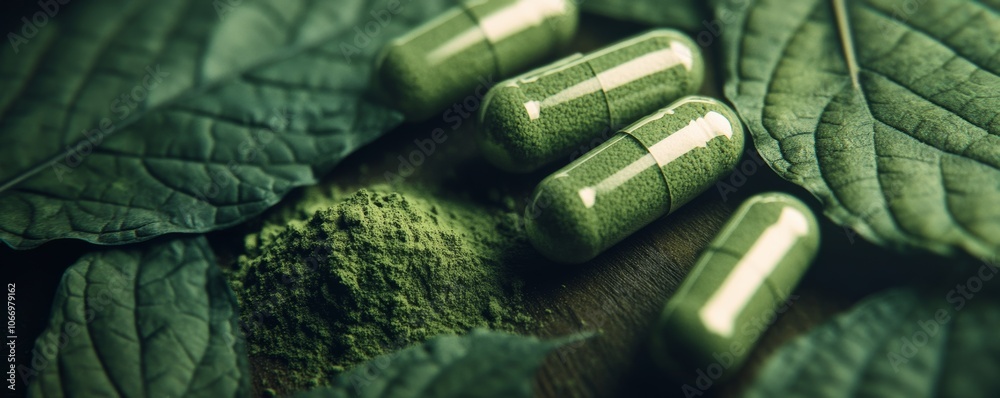
Side effects like headaches or nausea are often just signs of dehydration, so keep your water intake high. To ensure you are getting a pure product, look for brands that adhere to GMP (Good Manufacturing Practice) standards.
Whether you are seeking relief, energy, or balance, there is likely a strain that fits your needs perfectly. Education is your best ally in navigating the botanical world safely.